
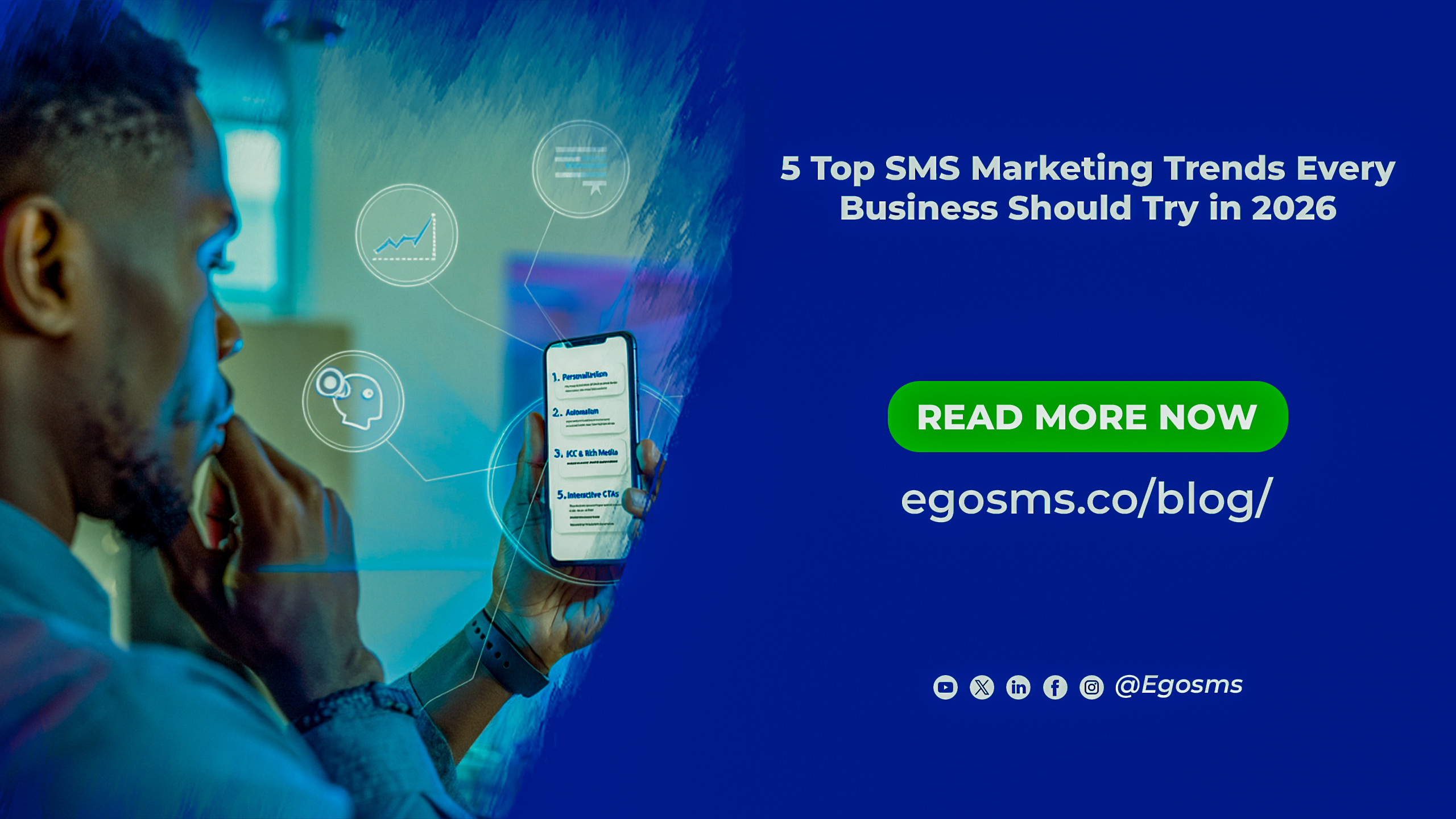
SMS marketing in 2026 focuses on better timing, building trust, having two-way conversations, and smarter personalization. It also requires following stricter rules from carriers and regulators. If your business wants to increase conversions, improve customer retention, and reduce the number of “STOP” replies, these trends are important to adopt now.
Here are five practical SMS marketing trends that any business can use, whether you operate in retail, services, logistics, healthcare, education, finance, or B2B.
Trend 1: “Conversational SMS” is the new standard
SMS is moving from “campaigns” to real conversations. Customers are more likely to reply when messages feel like a genuine exchange instead of just announcements. Many platforms and marketers call this shift the price of admission: if your message sounds like a broadcast, people will ignore it, either by skipping it or filtering it out.
What this looks like in practice
- Reply-based flows: “Reply 1 for pricing or 2 to talk to an agent.”
- Human handoff: a bot handles simple questions and then connects you to a person for more complicated issues.
- Support and marketing combined: receive order updates, reschedules, and feedback requests all in one conversation (with your permission).
Quick wins for businesses
- Replace “BUY NOW” messages with questions: “Do you want us to hold this item for you? Reply YES.”
- Create branching paths: if the reply is A, send message X; if the reply is B, send message Y.
Two-way messaging makes communication better. It helps to keep customers happy and reduces complaints. This kind of communication shows customers that they are valued, not just targeted.
Trend 2: AI-powered personalization moves beyond “FirstName”
AI helps create more relevant SMS messages by personalising content, timing, and audience based on their behavior, like purchase history, browsing, and past interactions. However, there is an important risk: using AI can increase legal and compliance issues if consent, disclosures, or opt-out processes are not secure, especially in highly regulated industries.
What “real personalisation” looks like in 2026
- Triggers based on behaviour: when someone leaves items in their cart, when they buy again, or when they need to renew a subscription.
- Predict when to send messages: choose times when each customer is most likely to read them.
- Match offers: give discounts based on how loyal a customer is or how much profit is involved.
- Adjust language and tone: use a formal or casual style based on the customer’s past interactions.
Do it safely and smarter than your competitors.
- Use the first-party data that customers provide, such as their orders, preferences, and support history, to personalize their experience.
- Keep this personalisation helpful and avoid making it uncomfortable by steering clear of sensitive topics.
- Always provide clear options for customers to opt-in or opt-out, and make sure to process their choices quickly.
Trend 3: Compliance-first SMS is now a growth strategy
If you’re marketing by SMS in 2026, compliance affects deliverability, cost, and brand trust. In some regions, enforcement and carrier filtering have tightened, and consent rules are increasingly strict and nuanced.
What’s changing in 2026
- More filtering of “spammy” patterns
- Higher expectations for proof of consent
- More scrutiny of automated outreach and opt-out handling
Compliance-first checklist
- Double opt-in where possible (especially for promos)
- Clear message disclosure: who you are + what they’ll get
- Easy opt-out handling (STOP and other reasonable opt-out signals)
- Respect quiet hours and frequency caps
- Separate marketing vs transactional streams (different rules often apply)
Trend 4: Rich Messaging and RCS readiness
SMS is not going away; in fact, it’s still going strong. By 2026, many businesses plan to use RCS (Rich Communication Services) where it is available. RCS allows for branded, interactive features in the messaging app, such as buttons, image galleries, and verified sender branding.
RCS standards have improved over time, including progress on end-to-end encryption and updates to the Universal Profile.
What businesses should do now?
Even if your market is still SMS-dominant, you can get “RCS-ready” by designing messages that naturally evolve into richer experiences:
- Use clear CTAs that become buttons later (“Book,” “Pay,” “Confirm”)
- Build short, skimmable copy that works with images/cards
- Think in flows, not single messages (browse → choose → confirm → follow up)
A practical approach: run SMS as your baseline, and add richer messaging where supported without breaking the customer journey.
Trend 5: Omnichannel automation that starts with SMS
The best SMS programs in 2026 don’t exist in isolation. They plug into:
- CRM
- Helpdesk
- eCommerce platform
- Payment links
- Loyalty programs
- WhatsApp/email/voice as backups
This is where businesses get the “unfair advantage”: not by sending more texts, but by sending the right text at the right moment, based on live customer activity. Many marketers are leaning into deeper integrations so messaging becomes a smart layer across the business.
High-impact flows every business should automate
- Lead capture → qualification: “Reply YES to get a quote.”
- Appointment reminders: reduce no-shows with confirm/reschedule replies
- Order updates: “Out for delivery. Reply 1 to reschedule.”
- Winback sequences: “Still interested? Reply DEAL for a special offer.”
Conclusion
The businesses that win with SMS marketing in 2026 will do three things well: they earn permission, they act like humans, and they connect SMS to real business workflows. Trends like conversational SMS, AI personalisation, compliance-first operations, RCS readiness, and integrated automation aren’t “nice-to-haves” anymore. They are how you protect deliverability and grow revenue. Sign up on EgoSms now to implement these trends with reliable delivery
FAQs
What is the biggest SMS marketing trend in 2026?
The biggest trend is conversational SMS (two-way messaging), where customers can reply and get real outcomes (support, booking, confirmations), not just promotions.
Is SMS marketing still effective in 2026?
Yes. SMS remains effective because it’s direct and fast, especially when it’s permission-based, personalized, and connected to useful customer actions.
Should my business use AI for SMS marketing?
Yes. Use AI to improve relevance (timing, segmentation, message variants). But you must protect consent, privacy, and opt-out handling because automation can increase compliance risk if misused.
What is RCS and why does it matter for SMS marketing?
RCS is “rich messaging” that supports branded, interactive content (buttons, images, carousels) in the default messaging app on supported devices, offering a more app-like experience than plain SMS.
How often should a business text customers in 2026?
Less is more. Use frequency caps and send based on customer intent (orders, appointments, opt-in promos). Over-texting increases opt-outs and filtering.